

Retinol Treatments Gallery
$$MultiPurposeText$$
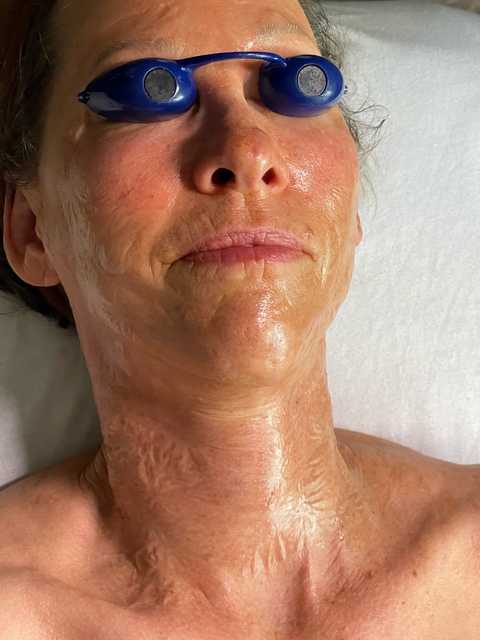
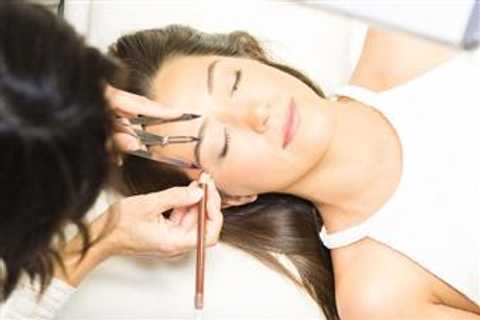
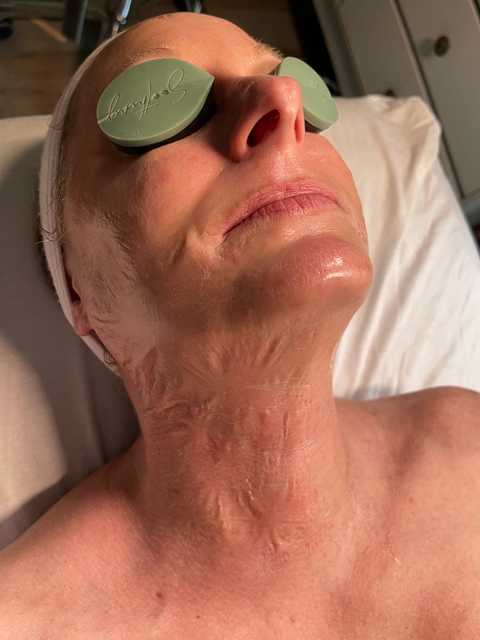
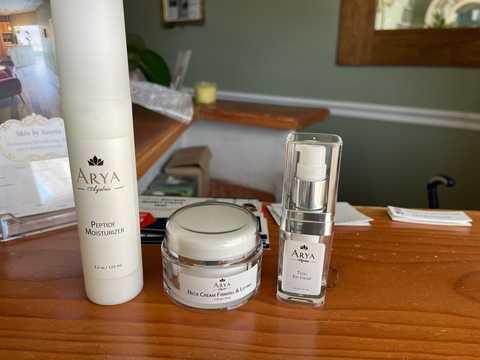
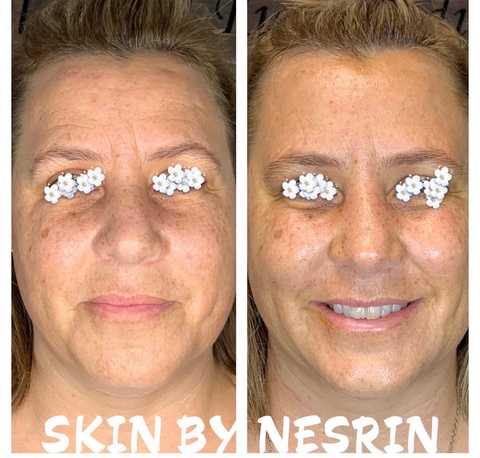
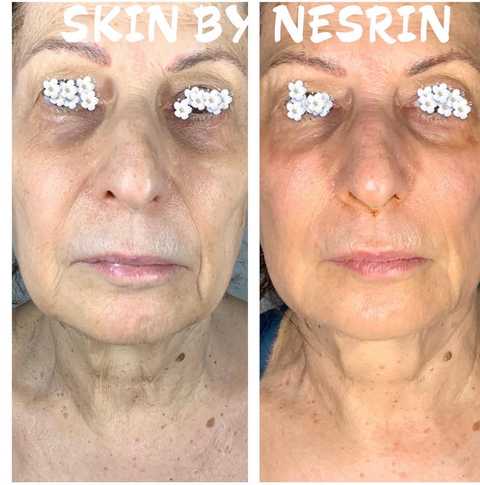
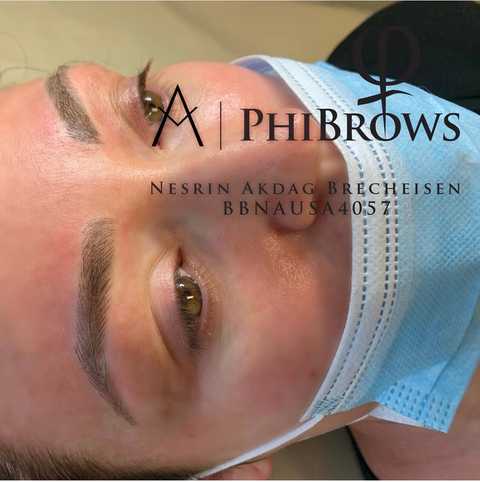
See examples of our Retinol Treatments work and results.








What Our Clients Say
$$MultiPurposeText$$
Read testimonials from our satisfied customers

Amazing experience with Nesrin. She is very knowledgable about skin treatments. I felt s...more

I was nervous first time coming in for a consultation because I’m a man and I’m not partic...more

Nesrin has taken such great care of my skin and knows exactly what to do to make it look a...more

Nesrin is the best skin care person I discovered. She has very good skills and wonderful ...more

Nesrin has bern awesome. She does a great job of explaining the treatments. She is always ...more

My skin feels so good. I'm so glad I know someone amazing if I need skin care help!

Frequently Asked Questions
Get answers to common questions about Retinol Treatments.
During the peel you'll feel mild tingling or warmth for several minutes. Skin may redden and begin peeling over 3–7 days. Most clients resume normal activities quickly, with visible improvement developing as the skin renews over the following two weeks.
Many clients notice initial brightness after one treatment, but a series of three to six sessions spaced four to six weeks apart typically provides optimal lifting of pigmentation and longer-lasting renewal. Individual results vary with skin condition and home care.
Sensitive or rosacea-prone skin requires careful assessment and often a pre-conditioning plan. We perform a patch test and may adjust strength or recommend alternatives to achieve improvement without provoking excessive irritation.
Avoid aggressive exfoliants, retinoids, and waxing for at least one week prior. Keep skin hydrated and protected from sun exposure. Arrive with clean, makeup-free skin and inform us of any medications or recent procedures.
Post-care includes gentle cleansing, rich moisturization, and diligent SPF 30+ daily. Expect flaking and avoid picking. Steer clear of heat, saunas, and intense workouts for several days and follow your personalized home-care regimen.
Retinol peels can be combined with other treatments but require scheduling considerations. Wait several weeks after lasers or deeper procedures. We will design a safe timeline to combine facials or light therapies without increasing irritation.
Read more about Retinol Treatments
$$MultiPurposeText$$
Explore our latest insights and guides on Retinol Treatments.