How microcurrent works
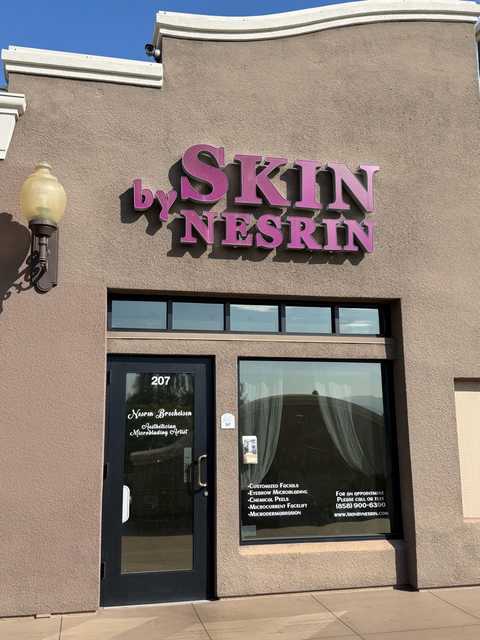
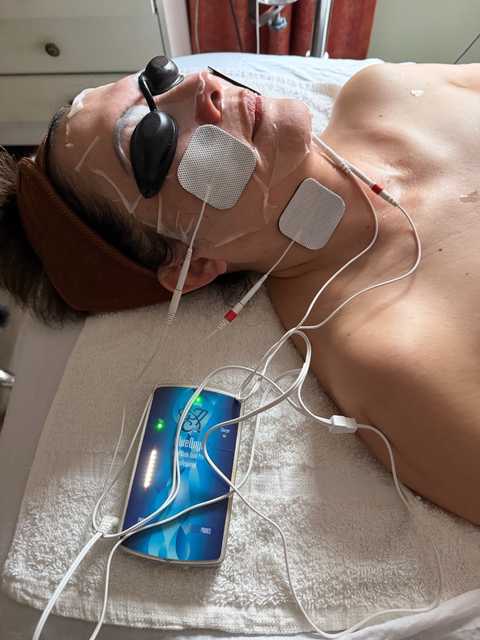
Microcurrent uses very small electrical impulses that mirror the body's natural current to communicate with facial muscles. By mimicking the brain's signals, the treatment encourages muscle re-education rather than invasive change. At Skin by Nesrin this approach aims to create a more defined facial silhouette while avoiding surgical procedures.
The mechanism is about restoring muscle tone and improving facial contour over a series of sessions. Client reports describe a tighter, more lifted appearance and refined definition. Outcomes depend on baseline muscle tone, skin condition, and lifestyle — factors we review during consultation to shape a realistic plan.
What to expect during treatment
Sessions use very small amounts of electricity delivered through hand-held probes while you relax in a treatment room. Many clients describe the experience as calming and restorative; some treatments at the studio are combined with complementary methods such as nano-needling or LED therapy when appropriate, reflecting individualized care choices.
After a session clients commonly notice smoother, brighter skin and a refreshed look that can continue the next day. Reviews emphasize a relaxing experience and attentive technique — Skin by Nesrin focuses on gentle application, clear communication, and visible improvement without promising a specific guaranteed result.
Suitability and timing
The Microcurrent Facelift fits a broad range of clients in the Rancho Bernardo and greater San Diego community, including busy professionals and weekend visitors who value non-surgical options. The clinic's location near I-15 supports lunchtime and after-work appointments for commuters, and many clients schedule around early mornings, evenings, or weekends.
Price for a standalone Microcurrent Facelift session is $150. Demand peaks in May, November, and December before major events, so plan ahead during those months. A consultation helps determine whether microcurrent alone or combined approaches will best match your goals and lifestyle.